WhatsApp follow up for coaches: etiquette, timing and what to actually send
WhatsApp is the most personal channel you can reach a prospect on, which is why getting it wrong costs more than a bad email.
· 6 min read
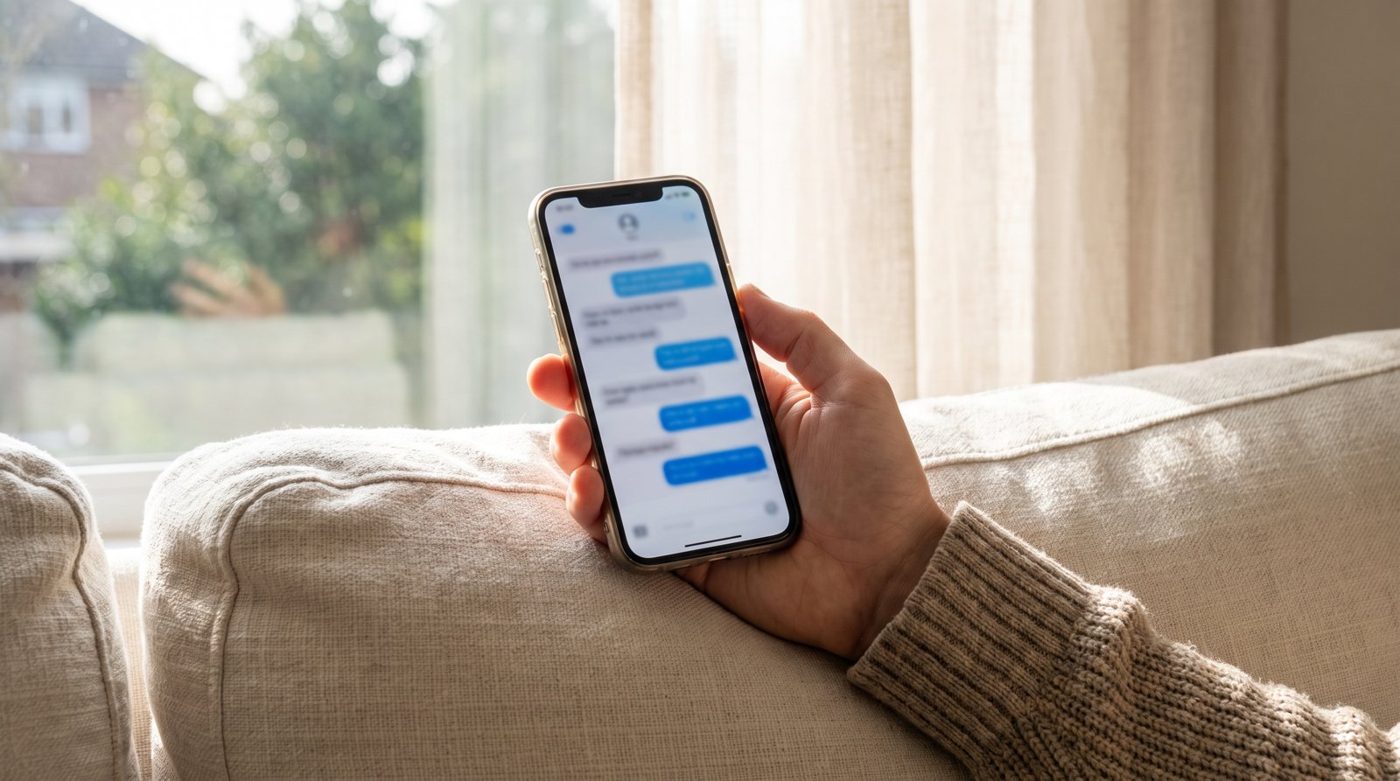
For a lot of coaches and consultants, WhatsApp has quietly become the best follow up channel they have. Messages get opened, voice notes feel personal, and prospects reply in ways they never would to an email.
That access comes with a cost. Your message sits in the same list as a prospect's partner, their mum and their school group.
Be useful there and you build trust fast. Be pushy there and you get blocked, which is far harder to recover from than an unsubscribe.
Earn the right to be there
The first rule is permission. If someone gave you their number on a booking form, tell them clearly that you may follow up on WhatsApp. If they did not, do not assume.
There is also a practical reason. If you use the WhatsApp Business Platform through a provider, Meta's rules only let you send free form messages within 24 hours of the customer's last message.
Outside that window you need pre approved template messages. Building your process around real, opted in conversations keeps you on the right side of both the rules and the prospect.
Your first message should introduce you by name, say why you are messaging, and be easy to reply to. Something like this.
"Hi Sarah, it's Tom from the coaching team. Saw you booked a call for Thursday. Anything you'd like us to look at before then?"
Timing that respects people
Treat WhatsApp like a phone call into someone's home. Business hours in their time zone, not yours. No messages before 8am or after 8pm, and be careful at weekends unless they messaged you first.
Spacing matters as much as hours. One unanswered message is fine.
Two is a nudge. Three in a row without a reply starts to feel like pressure, and the double blue tick makes it worse because you both know it was read.
A sensible rhythm after a sales call where the prospect said they need to think:
- Same day: a short thank you and the one resource or answer you promised on the call.
- Two or three days later: a useful follow up tied to something they said, not a generic check in.
- About a week later: a direct, friendly question about where they have landed.
- After that: stop chasing. Move them to your email list and leave the door open.
Every follow up should give the prospect something. If you cannot think what, do not send it.
What to actually send
The weakest follow up message in the world is "Just checking in." It asks the prospect to do the work of restarting the conversation and gives them nothing in return.
Better messages reference the call. If a prospect said their biggest worry was finding time, send a two minute voice note on how other clients fit the program into a busy week. If they asked about results for businesses their size, send one relevant example from your own client base.
Voice notes deserve a special mention. A thirty to sixty second voice note from the coach or closer, using the prospect's name and something specific from the call, is one of the most personal touches available in sales.
Keep it short. Nobody wants a four minute monologue.

Etiquette rules worth writing down
If several people on your team message prospects, put the rules in writing. Small habits add up to how your brand feels.
- Always say who you are in the first message. Never assume they saved your number.
- One message, not five. Write a complete thought instead of sending lines one at a time.
- No pressure tactics. Fake deadlines and "last chance" messages feel far worse in a personal chat than in an email.
- Respect a no. Thank them, wish them well, and stop.
- Log every conversation in your CRM so the next person does not repeat a question or contradict a promise.
The long game
The prospects who do not buy this month are not lost. Many of them come back months later, and the ones who come back are the ones who remember being treated well.
Used with care, WhatsApp is the closest thing an online business has to a quick word after a meeting. Keep it human, keep it useful, and know when to stop.